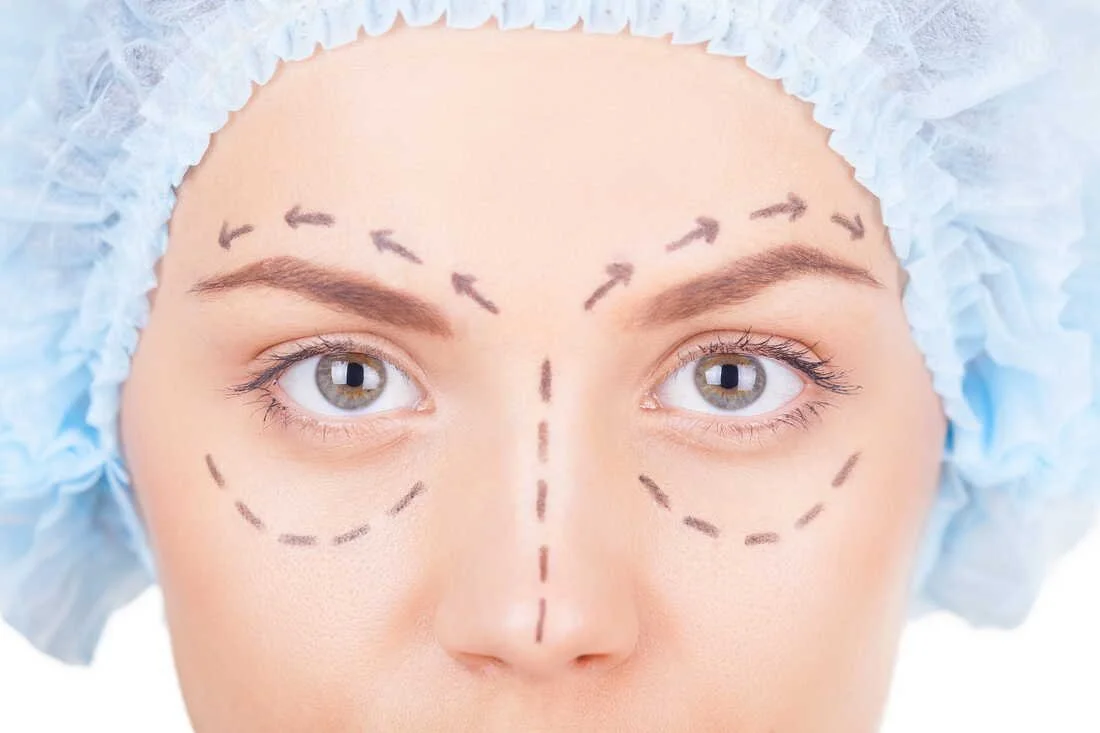
Upper eyelid surgery can help address excess skin, heaviness, or a tired appearance around the eyes. For many patients, one of the biggest questions is not only what the procedure can improve, but how much time they may need before returning to work, social plans, or everyday routines. Recovery varies from person to person, but understanding the general timeline can help you plan with more confidence. A consultation focused on facial plastic surgery in Austin can provide guidance based on your anatomy, health history, and goals.
The First Few Days After Surgery
The early recovery period usually involves swelling, bruising, and mild discomfort around the upper eyelids. Your surgeon may provide instructions about cold compresses, head elevation, medication use, and activity limits. These instructions should always come first, since each procedure and patient is different.
During the first few days, rest is important. Many patients prefer to keep their schedule quiet and avoid unnecessary errands or social commitments. Learning about comprehensive facial plastic surgery options can help you understand how preparation and aftercare support a smoother recovery experience.
When Bruising and Swelling Are Most Noticeable
Bruising and swelling often become most noticeable during the first week, then gradually begin to improve. Some patients feel comfortable with light daily activities sooner, while others prefer more privacy until visible signs of healing fade.
Because the eye area is highly visible, social downtime can feel different from recovery in less noticeable areas. Even if discomfort is manageable, you may want extra time before attending events, taking photos, or returning to public-facing work. A visit centered on upper facial plastic surgery evaluation can help you ask realistic questions about your expected healing timeline.
Returning to Work and Routine
Many people can return to desk work or remote work within a relatively short period, depending on their comfort level and the nature of their job. Work that requires heavy lifting, intense physical activity, or long periods outdoors may require more time and surgeon approval.
Your surgeon will also advise when it is safe to resume exercise, wear makeup, use contact lenses, or spend extended time on screens. Reviewing facial rejuvenation procedures in Austin can help you understand how upper eyelid surgery fits into broader planning for recovery and daily life.
Planning Around Social Events
If you have a wedding, vacation, professional event, or family gathering coming up, it is wise to build in extra recovery time. Swelling can fluctuate, and the eyelids may continue to refine after the initial bruising improves.
Helpful planning steps may include:
Scheduling surgery well before major events
Preparing a quiet recovery space at home
Arranging transportation for surgery and follow-up visits
Asking when makeup or contact lenses may be used again
Following sun protection and scar care instructions
During advanced facial plastic surgery planning, your surgeon can help you align your procedure date with your personal and professional schedule.
Knowing When to Call Your Surgeon
Some swelling and bruising are expected, but certain symptoms should be addressed right away. Contact your surgical team if you experience worsening pain, fever, bleeding that does not slow, sudden vision changes, severe eye irritation, or swelling that seems unusual for your recovery instructions.
A consultation centered on facial plastic surgery services in Austin can help you understand what is normal, what requires attention, and how to prepare for each stage of healing. With careful planning and realistic expectations, many patients return to social activities gradually while protecting their results and comfort.
Disclaimer: This article is for general education only. For guidance, consult a board-certified facial plastic surgeon.